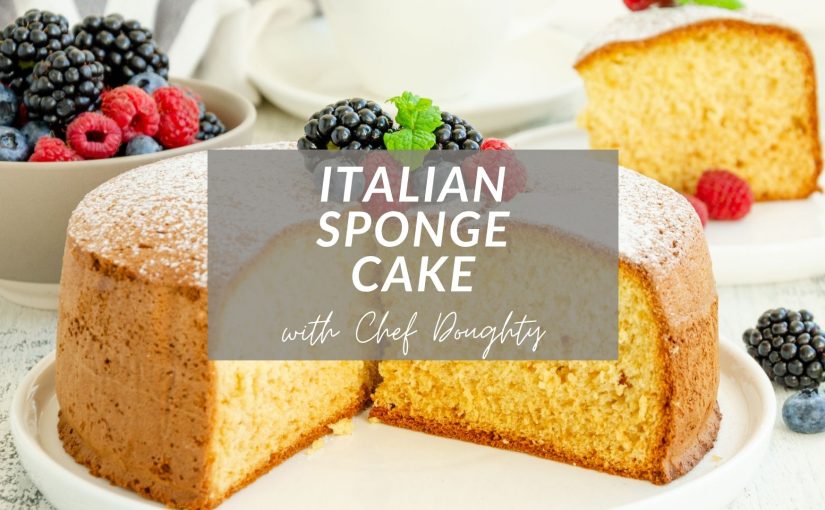
There is something undeniably sophisticated about a cake that achieves its height through the science of whipped egg whites. Whether you call it Pan di Spagna or a classic Italian Sponge, this recipe is a masterclass in texture. Unlike denser butter cakes, this version uses a careful folding technique to create a crumb that is both sturdy enough to hold frosting and light enough to act as a literal sponge for syrups and milks.
Mastering this cake is a rite of passage for any home baker. Once you understand how to treat those delicate egg whites, you have the foundation for everything from a classic cream-cheese-frosted layer cake to a decadent, milk-soaked masterpiece.
Below, we’ll dive into the essential technique for the perfect rise, followed by a transformational “Tres Leches” variation that will change the way you think about dessert.
ITALIAN SPONGE CAKE
(AND TRES LECHES VARIATION)
8 ounces real margarine or coconut oil
¾ cup sugar and another ¾ cup sugar
5 large eggs, separated carefully
(there must be no yolk in the whites)
2 cups flour
½ teaspoon baking powder
½ teaspoon baking soda
½ teaspoon salt
1 cup buttermilk
½ cup finely chopped nuts (optional)
½ cup unsweetened fine coconut (optional)
1 teaspoon vanilla
FROSTING
One 8-ounce package cream cheese, room temperature
½ stick butter, room temperature
1 teaspoon vanilla
1 pound powdered sugar
Cream together the cream cheese and butter. Add powdered sugar and vanilla and mix well.
Directions:
Preheat oven to 350 °
Separate eggs, placing the whites in a perfectly clean large bowl and the yolks in a smaller container to hold until needed (see beating egg whites note below). In the large bowl beat the egg whites until fluffy and then gradually add ¾ cup sugar and continue beating until stiff peaks hold. Set aside. In another large bowl cream the margarine or coconut oil with the remaining ¾ cup sugar. Add the egg yolks and beat well, scraping down sides.
Add the flour, baking powder, soda and salt to the butter, sugar and egg yolk mixture and blend with a mixer. Stir in the buttermilk, nuts, coconut and vanilla. Fold in about one-third of the beaten egg white mixture to loosen the stiffness of the second mixture and make it easier to blend. Then fold in the next third, carefully, and finally the last third. Pour into a greased 9×13 for a thicker cake, or a 12×16 half pan for more of a sheet cake, or two g-inch rounds if you intend to make a layered cake. Bake for 20-40 minutes (depending on cake size) or until center pokes are done. Cool and frost if using as a regular cake or leave plain if continuing on to make tres leches.
BEATING EGGS WHITES
When beating the whites, it is critical that the bowl and beaters be perfectly clean and completely void of any fat or greasiness. In fact, even the tiniest amount of yolk in the whites will be problematic, since yolks are high in fat. Separate the eggs carefully,. Fat will prevent your whites from reaching stiff peaks, which will result in a flat, dense product.
TRES LECHES VARIATION:
1. If making this variation it is critical that the cake is moistened with the milk at least one day before serving. Ideally, make the sponge two or more days ahead. The cake freezes beautifully, so make it a week ahead, if that is convenient. The day before you intend to serve it, pull it out of the freezer and thaw it completely throughout the day. Add the milk mixture that evening and then let it rest in the fridge overnight and the next day until service.
2. When creaming the yolks and sugar, add the rind of one large (or two smaller) limes, using a microplane, for a very fine shred. Lemon and orange rind could also be used. Bake the sponge in a 9×13 GLASS pan and cool in the pan.
3. For the tres leches: In a medium bowl combine one can of evaporated milk, one can of condensed milk and one cup of regular milk. Whisk well. When the cake has cooled, and keep the cake in the pan, take a bamboo skewer and poke dozens of holes throughout, getting into all the corners and edges as well as the center. When making tres leches for the first time, it is best to err on the side of too little milk rather than too much. Record and comment on your results each time in the note section so you can tweak milk amount accordingly till you find that perfect balance of cake and milk.
4. It is important that the cake rests overnight in the fridge before serving.
5. Typically the cake is served with strawberries, pineapple, kiwi or any other fruits in season that are ripe. The cuts should be smaller and daintier so that each bite gets the benefit of the fruit. You can also top the cake with whipped cream, but that is not essential.
Serving & Customization Ideas
For the Frosted Italian Sponge
- The “Italian Wedding” Style: Lean into the optional coconut and nuts in the batter. Top the cream cheese frosting with toasted coconut flakes and crushed walnuts.
- Berry Garnish: Since this cake is light, it pairs beautifully with a tart raspberry coulis or a side of macerated balsamic strawberries.
For the Tres Leches Variation
- Fruit Toppings: Traditionally, this is served with vibrant, ripe fruit. Try strawberries, pineapple, or kiwi. Slice them small and dainty so you get fruit in every bite.
- Whipped Cloud: While not essential, a thin layer of freshly whipped cream (stabilized with a little powdered sugar) adds a lovely contrast to the milk-soaked sponge.
- The Custom “Tweak”: Everyone’s “perfect” level of moisture is different. Use the note section of your recipe binder to record if you liked the 3-cup milk ratio or if you want to scale it back next time for a firmer bite!