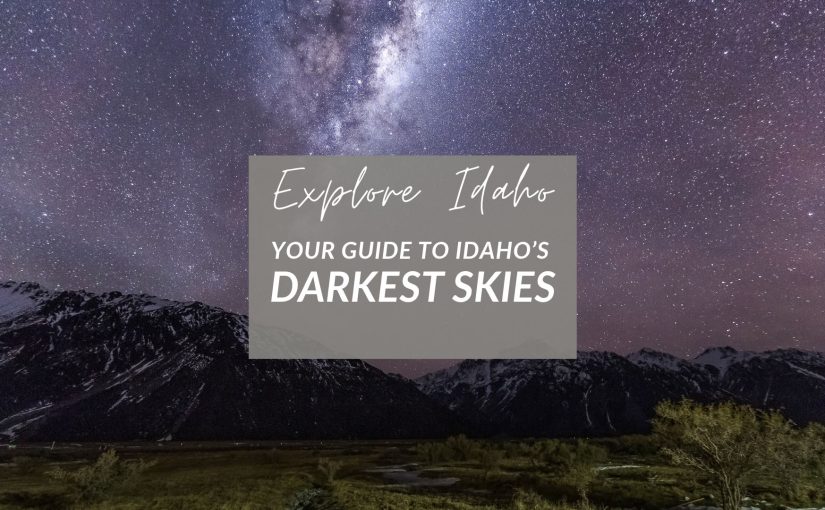
More than 80 percent of North Americans live under light-polluted skies that wash out the cosmos, leaving only a handful of places where the universe still shines in full detail. Thanks to vast stretches of untouched wilderness and low population density, Idaho remains one of the best places on the continent to experience truly jaw-dropping night skies.
The Nation’s First International Dark Sky Reserve
Idaho is home to the Central Idaho Dark Sky Reserve, the first and only International Dark Sky Reserve in the United States—and one of only a select few worldwide. Spanning 1,400 square miles across the Sawtooth National Recreation Area and the communities of Ketchum, Sun Valley, and Stanley, this protected zone holds a coveted Gold Tier designation from DarkSky International. Because light pollution is strictly minimized, you don’t need high-end gear to spot the Milky Way, shooting stars, or neighboring planets like Mercury and Venus. Your naked eyes are enough, though binoculars and telescopes reveal even deeper cosmic wonders.
Three Designated International Dark Sky Parks
Beyond the reserve, Idaho boasts three officially designated International Dark Sky Parks, each offering a distinct landscape beneath the stars:
- Craters of the Moon National Monument & Preserve: Known by day for its surreal expanse of lava flows and cinder cones, this volcanic landscape transforms into a celestial playground after sunset. Join a seasonal Star Party to peer through high-powered telescopes, or take a ranger-led full-moon hike to see the rugged terrain glow in silvery light. Pitch a tent at Lava Flow Campground to fall asleep directly beneath the cosmos.
- Bruneau Dunes State Park: Spend your afternoon sandboarding down North America’s tallest single-structured sand dune before heading to the Bruneau Dunes Observatory at dusk. Home to Idaho’s largest public telescope, the observatory offers guided evening programs and unobstructed views of distant nebulae and star clusters.
- City of Rocks National Reserve: By day, climbers and hikers explore towering granite spires and arches; by night, visitors look up at the exact same pristine sky that once guided Shoshone travelers and California Trail pioneers. With zero artificial lighting inside the reserve—and active conservation efforts extending into neighboring Castle Rocks State Park—the stargazing here is unmatched. Book a site at City of Rocks Campground and observe the park’s Dark Hours by powering down unnecessary lights by 10 p.m.
More Celestial Hotspots Across the Gem State
Idaho’s dark-sky magic extends well beyond its officially designated parks and reserves:
- Chasing the Northern Lights in North Idaho: You don’t need an Arctic passport to catch the aurora borealis. When geomagnetic storms are strong, northern communities like Bonners Ferry, Priest Lake, Sandpoint, and Coeur d’Alene offer dark northern horizons ideal for watching green and violet ribbons dance across the sky.
- Wilderness Backcountry & High-Altitude Vistas: For pure solitude, venture into the Frank Church–River of No Return Wilderness—the largest contiguous wilderness area in the lower 48—or head into the Owyhee Canyonlands in the southwest, where dry desert air and high elevation create crystal-clear viewing conditions. Even a short drive out of the Treasure Valley to Bogus Basin or Lucky Peak rewards night owls with sweeping views above the city glow.
- Dark Sky Lodging & Glamping: If roughing it isn’t your style, several Idaho getaways cater directly to astro-tourists. You can stargaze from transparent domes near McCall and Lava Hot Springs, or book remote, light-controlled cabins in the Sawtooth Valley designed specifically for night-sky photography.
Tips for Your Idaho Stargazing Adventure
Before heading out, check NASA’s Night Sky Planner or an aurora forecast app to time your trip with meteor showers, planetary alignments, or solar storms. You can also connect with local chapters like the Boise Astronomical Society or Idaho Falls Astronomical Society, which regularly host free public star parties. Pack warm layers—even summer nights in Idaho’s high desert and mountains get chilly—and bring a red-light flashlight to preserve your natural night vision.
Whether you’re peering through an observatory lens or lying back on a granite boulder, Idaho’s skies are always ready to put on a show. All you have to do is look up.