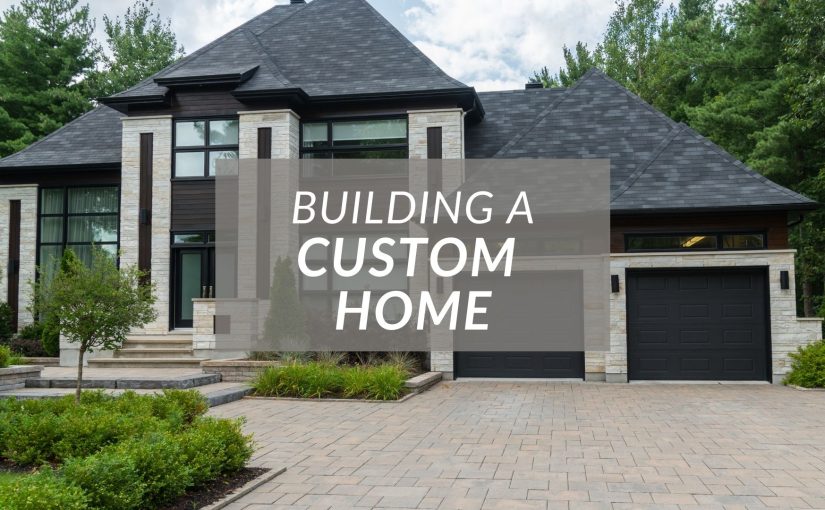
Building a custom home is perhaps the most exciting investment you will ever make. It’s more than just a construction project; it’s the opportunity to manifest your lifestyle into a physical space. However, because a custom build is tailored entirely to you, it involves a more structured and complex process than buying an existing home.
If you are considering trading the “fixer-upper” life for a blank canvas, here is everything you need to know before the first shovel hits the dirt.
1. Start with the “Who”: The Importance of Professional Partners
Before you look at floor plans, you need to assemble your team. While many homeowners think they only need a builder, there are two crucial partners you should have in your corner from day one:
- The Custom Home Builder: Unlike a general contractor who primarily oversees the construction phase, a custom home builder handles the project from “concept to keys.” They manage design, material selection, budgeting, and city permits, offering a seamless, personalized experience.
- The Specialized Realtor: Working with a Realtor is a vital step in a custom build. Many people assume Realtors only sell existing homes, but an agent experienced in new construction is an invaluable advocate. They can help you evaluate the resale value of your custom choices, navigate complex land acquisitions, and provide an extra layer of professional oversight during contract negotiations.
2. The Design and Consultation Phase
The journey begins with a consultation to discuss your vision—architectural style, room counts, and those “must-have” features. This phase often takes weeks or even months as architects translate your ideas into blueprints.
Pro Tip: Be open about your budget early. A reputable builder will provide feedback on the feasibility of your design, ensuring your “dream home” doesn’t outpace your bank account.
3. Navigating Financing and Contracts
Financing a custom build is different from a standard mortgage. You will likely need a construction loan, which covers the cost of building and then converts into a permanent mortgage once the home is finished.
When it comes to the contract, transparency is your best friend. Ensure your agreement includes:
- A detailed scope of work and payment schedules.
- Itemized breakdowns of labor and materials.
- A contingency budget for those unexpected costs that inevitably arise during construction.
4. Why New is Often Smarter Than “Old”
While the upfront cost of a custom home can be higher, the long-term savings are significant. According to realtor.com, over 80% of homeowners dealing with repairs in older homes end up paying for them out of pocket. With a custom build, everything—from the HVAC to the roof—is brand new and under warranty, protecting you from the financial strain of immediate maintenance.
5. Construction and Customization
This is where the magic happens. As the frame goes up, you’ll begin the “selections” phase—choosing flooring, cabinetry, lighting, and smart home integrations.
Modern custom builds allow for high-performance upgrades, such as:
- Energy-efficient windows and insulation to lower utility bills.
- Smart home technology for security and climate control.
- Custom layouts that prioritize how you live, whether that’s a home office or a chef’s kitchen.
6. The Final Walkthrough and Beyond
Before you move in, you’ll conduct a final walkthrough with your builder. This is your chance to identify any “punch list” items—tiny touch-ups or adjustments—to ensure the home is perfect. Most professional builders provide a warranty on workmanship and structural integrity, ensuring you stay supported long after you’ve unpacked your boxes.
Ready to Build Your Future?
A custom home is a legacy piece that offers both immediate comfort and long-term resale value. By choosing the right team—including a dedicated builder and an expert Realtor—you can navigate the complexities of construction with total confidence.