As real estate professionals, our work is deeply rooted in the idea of home. But a home isn’t just four walls and a roof—it’s the community, the land, and the neighbors that surround it.
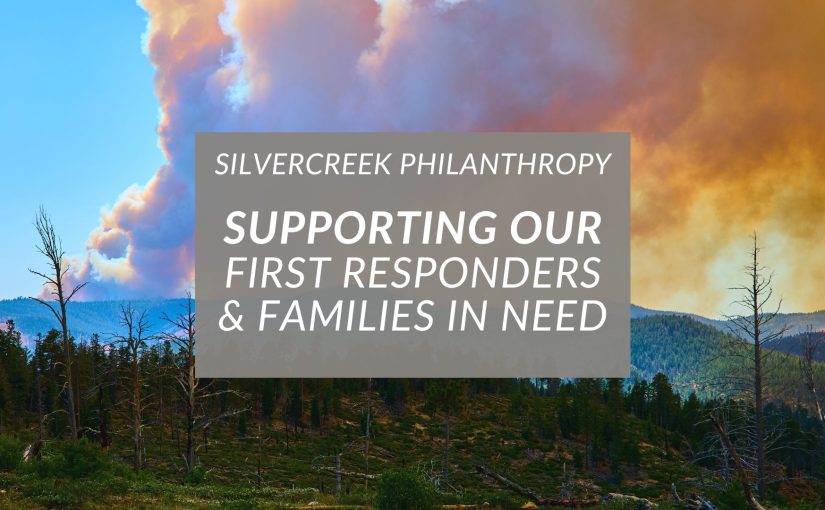
Across Idaho, Eastern Washington, and Montana, late summer and fall bring unmatched beauty, crisp mountain air, and vibrant local harvests. But this season also brings significant wildfire risks and unforeseen emergencies that challenge our communities. When smoke fills the valleys, or fires threaten neighborhoods, we see the incredible spirit of our region shine brightest through neighbors helping neighbors.
Whether you are looking to support local wildland firefighters on the front lines, help families who have been evacuated or lost their homes, or lift up our first responders, here are meaningful ways to take action and make a real difference in our communities this season.
1. Support the Wildland Firefighter Foundation & Local Relief Funds
Wildland firefighters work around the clock in extreme conditions across rugged terrain in Idaho, Washington, and Montana. Supporting organizations that care for these heroes and their families provides immediate, direct relief when crises strike.
- Wildland Firefighter Foundation (WFF): Headquartered in Boise, Idaho, the WFF provides vital crisis financial support and advocacy to families of wildland firefighters injured or killed in the line of duty across the nation.
- Local Volunteer Fire Departments (VFDs): Many rural departments across Eastern Washington, Idaho, and Montana operate on tight, volunteer-based budgets. Direct monetary donations, equipment grants, or supporting local VFD pancake breakfasts and fundraisers help supply crucial gear and supplies.
- Local Community Foundations: Regional funds (like the Idaho Community Foundation, Innovia Foundation in Eastern Washington, or Montana Community Foundation) frequently launch localized wildfire and disaster relief funds during active events.
2. Donate High-Need Supplies for Frontline Crews & Shelters
During active fires and emergencies, fire camps and community evacuation shelters often need quick replenishments of specialized items.
Before dropping off supplies, always check with local emergency management, fire stations, or shelter coordinators (such as the American Red Cross) for their current needs list.
- For First Responders: High-demand items often include sports drinks/electrolyte packets, bottled water, eye drops, heavy-duty lip balm, non-perishable snacks (protein bars, beef jerky, trail mix), clean crew socks, and cooling towels.
- For Displaced Families: Shelters hosting evacuated families frequently need new toiletries, hygiene kits, diapers, baby wipes, warm blankets, gift cards for groceries or fuel, and phone chargers.
3. Help Displaced Pets and Livestock
In rural communities throughout Idaho, Washington, and Montana, evacuations often involve farm animals, horses, and pets. Local fairgrounds, rodeo arenas, and humane societies step up to provide temporary shelter, but they rely heavily on community volunteers and supplies.
- Donate Animal Care Supplies: Hay bales, feed, water troughs, halters, pet food, crate blankets, and litter are frequently needed at emergency animal shelters.
- Offer Transport or Fostering: If you have horse trailers, fenced pasture space, or an empty barn, let local emergency livestock groups or county sheriff offices know you are available to help haul or temporarily host displaced animals.
- Support Local Humane Societies: Regional animal shelters accept emergency intake when families are displaced—monetary donations or foster volunteering help keep these operations running smoothly.
4. Protect Our Neighborhoods: Firewise & Defensible Space
Philanthropy and community support also mean proactive care. Helping elderly neighbors or vulnerable community members prepare their properties for fire season builds neighborhood resilience.
- Organize a Neighborhood Cleanup: Help neighbors clear dry brush, dead leaves, low-hanging branches, and debris within 30 feet of their homes to create defensible space.
- Clean Roofs and Gutters: Accumulated pine needles and dry leaves on roofs and in gutters are prime targets for windborne embers.
- Share Emergency Readiness Resources: Encourage neighbors to sign up for county emergency alert systems (such as CodeRED or local sheriff alert apps) and assemble a 72-hour emergency kit.
5. Support Local Benefit Events & Small Businesses
Local businesses across our towns are often the first to host round-up campaigns, benefit nights, or donation drives for first responders and displaced residents.
- Shop & Dine Local: Keep an eye out for local breweries, coffee shops, and restaurants running “dine-out” nights where a percentage of sales goes directly to local firefighter relief funds or shelter operations.
- Host a Drive: Real estate offices, local businesses, and neighborhood associations can serve as central collection points for donation drives, making it easy for entire neighborhoods to contribute.
A Note of Gratitude from Our Team
Every structure saved, family comforted, and community rebuilt starts with individual acts of kindness. To the firefighters, hotshot crews, pilots, EMTs, law enforcement officers, and community volunteers keeping Idaho, Washington, and Montana safe: thank you.
Key Contact & Donation Resources
- Wildland Firefighter Foundation: https://wffoundation.org
- American Red Cross Northwest Region: https://www.redcross.org/local/washington.html